
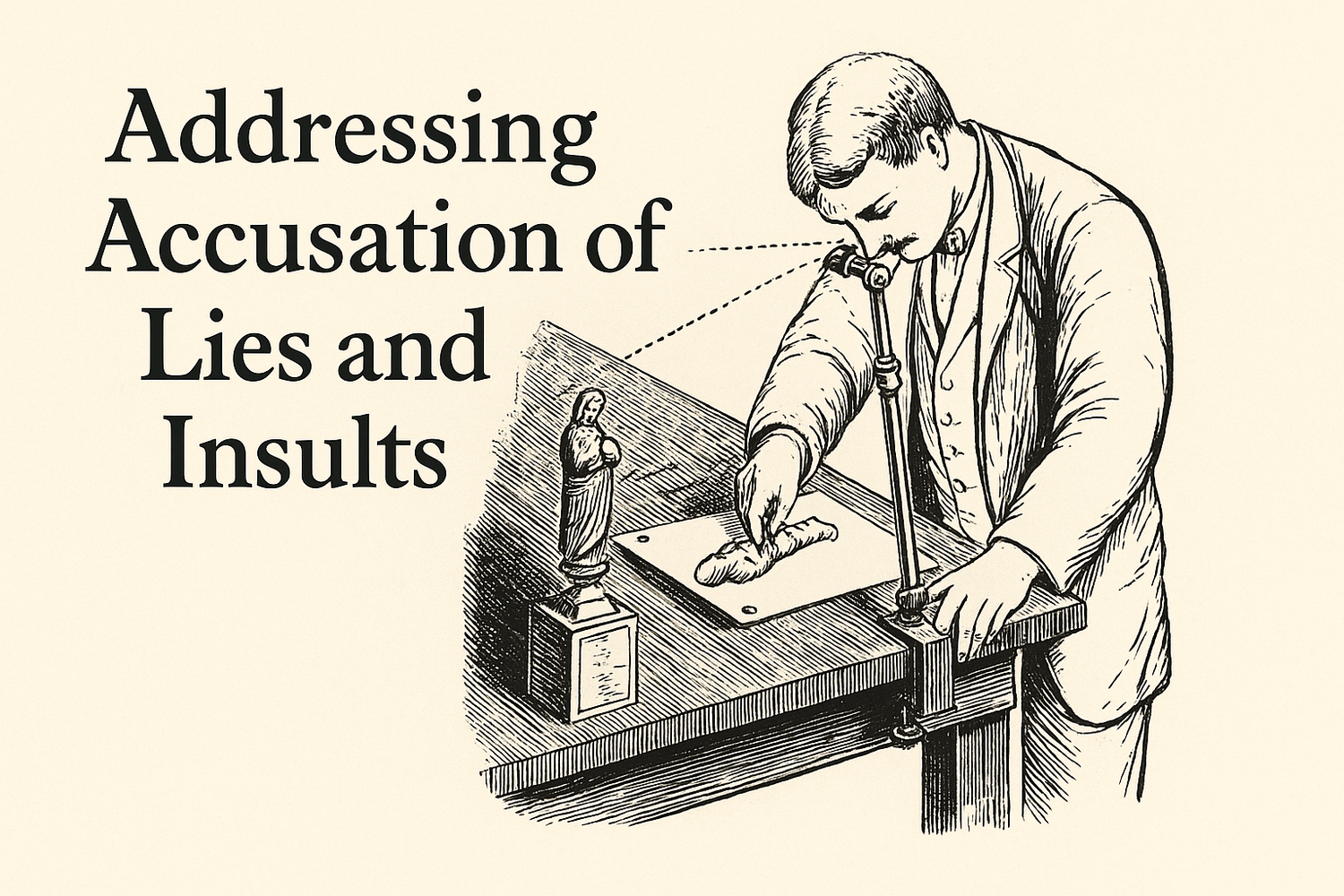
This morning I was mulling over a couple of ideas for a new blog post when I got distracted by and started responding to a Facebook comment on my previous post: ‘Can You Really 'Cheat' at Art?’. The comment reads:
“A lucida is not cheating. You can tell the difference when someone with talent and training uses it compared someone who doesnt/isn't. What I find reprehensible is your constant and flagrant lies about who used these. The Lucida was not invented until 1806.
None of the "old masters " used this.
Ingres did not use this. He had skills.
Please stop insulting talented people.”
As my mind started picking apart the comment, I realized I had found my next blog topic. Sometimes embracing a distraction is the most productive thing to do.

I have no argument with the first part of the comment, they are expressing their opinion on cheating in art—that is all fine and great. But then they abruptly transition to accusing me and/or my company of flagrant and reprehensible lies. Then self-contradictingly asserts that mentioning the tools an artist may have used is insulting them. This is what I would like to unpack and address.
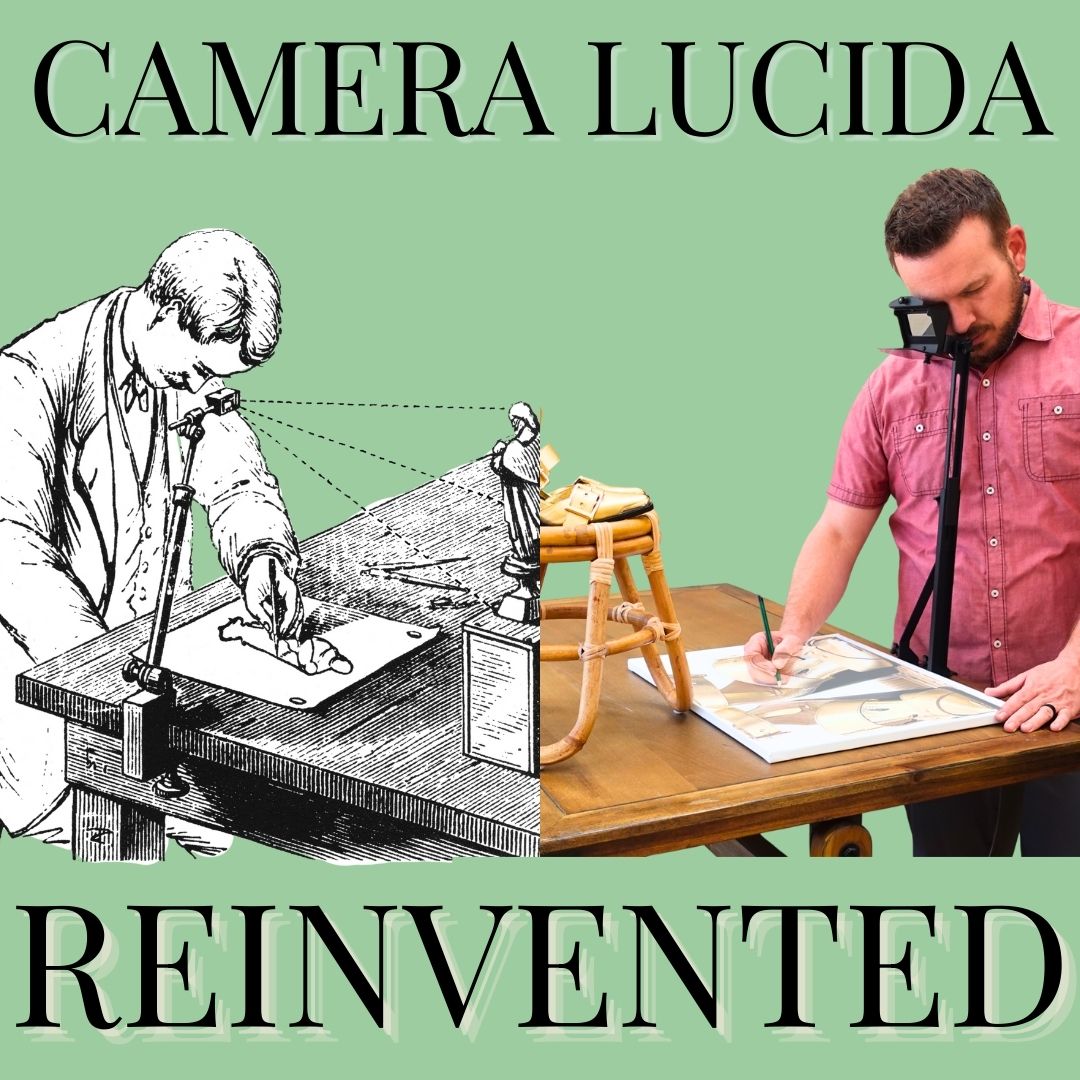
In the same way my teenaged son constantly corrects his younger siblings on every trivial or perceived incorrect statement, this comment makes a fair point. The LUCY Drawing Tool is an improved camera lucida. The camera lucida was not invented until 1806. The term "Old Masters" generally refers to the most recognized European artists—working between the Renaissance and 1800. So by this logic none of the “Old Masters” could have used the camera lucida. That is technically true. And sometimes in advertising you can’t regress into the murky minutia of the past and tease out every nuance. But as my teenaged son will hopefully find out some day—the more you learn, the less you know.
The camera lucida was patented in 1806 by William Hyde Wollaston, but the optical principles involved were described nearly 200 years earlier in Johannes Kepler’s “Dioptrice”. When a thing is patented and when a thing is first used or known do not always coincide—especially when you are dealing with something as fundamental as reflecting light. No one knows if anyone built or used a reflective device like what became the camera lucida before Wollaston, but there is no reason they couldn’t have.
And of course, the knowledge of and use of the camera obscura goes even farther back and includes the entire “Old Master” Renaissance era when Leonardo da Vinci was sketching hundreds of diagrams of the camera obscura, including the one below. The camera obscura is a predecessor of the camera lucida. In both cases ‘camera’ means chamber or room. ‘Obscura’ means dark. ‘Lucida’ means light. The name camera lucida was chosen both to pay tribute to its forerunner and to juxtapose the way the two devices operate.

The point is there is not just one type of optical device that was used in art, but myriads of methods and tools made and used over the centuries. That is why we distinguish between device classes like camera lucidas and earlier predecessors like the camera obscuras when possible or [in order to avoid going in to confusing and unnecessary detail] use general terms such as ‘tools like this’ or ‘similar devices’. The LUCY drawing tool is not the camera lucida invented in 1806, nor is Wollaston’s lucida a camera obscura, nor is the obscura described by da Vinci the same as the one Vermeer would have used, but one cannot dismiss the evidence for the use of optics in art by conflating and quibbling about what tool was used when by who. The commenter may not like or agree with it, but our statement and belief that great artists of the past used tools like this is no less a lie than their insistence that they did not. A certain amount of evidence exists, and people make up their own mind about what may or may not have happened in the past. That's how historical science works.
Now quickly on the idea that talking about the history of optics in art is somehow “insulting talented people”. This commenter first acknowledges that they can tell the “difference when someone with talent and training uses” a camera lucida, inferring that even if an artist uses these sorts of tools, they still need talent and training to produce exceptional work. The commenter then turns around and infers that our stating that an artist with talent and training may have used an optical device to help create their exceptional work is “insulting talented people”. You can’t have it both ways. Of course, using any of these tools still requires talent and training, practice and patience. This accusation of insulting talented people is groundless. Giving people tools to help them achieve their full potential is not cheating and acknowledging the tools that help achieve greatness is not insulting.
I’ve spoken my piece. I have no problem with different opinions or beliefs. Read and research, wonder and walk around; think whatever thing you want. But if you accuse me of lying—you may get a wordy response 😉.


59 comments
Ron Henningsen
I agree with your comments and perspective. A an instructor once told me “you can always try to pick the fly poop out of the pepper but you will never get anything else done”.
Complaining just because you have a means to do so doesn’t make for a valid complaint.
Diana Kazmaier
Thank you…I just read a well written and very informative article/blog. The background information was fascinating.
Thomas Agerton
Well put response. I would assume everyone has an opinion, but wouldn’t it be nice if this person would dig a little deeper into the device in question before making statements like this, especially with no working knowledge of the device. Not all of us carry the Michaelangelo gene. Just saying!
GEORGE DALTON
Having read your blog I agree with you. As far as what the “old” masters used unless you were there you don’t know what they used. Just because some Art History Professor said they didn’t, or some “author” said they didn’t doesn’t make it so. And with respect to insulting talented people, I don’t really hear any “talented people” complaining. The use of the Lucy is only in a technical application different than using an art projector. If you’re so stupid or narrow-minded to think that the “old masters” or any master would not grab the chance to have such a tool in their artbox then you really need to rethink your position.
Eva
I whole heartedly agree with your observations. Thank you for taking the time to respond to the commenter. I believe that someone who makes such negative comments such as these, are making knee jerk responses without true knowledge of the actual facts. IMO
Leave a comment
All comments are moderated before being published.
This site is protected by hCaptcha and the hCaptcha Privacy Policy and Terms of Service apply.